Office Clearance in Leytonstone

Office clearance in Leytonstone for businesses that need workspaces, stockrooms, shared offices or redundant equipment cleared in a controlled way. We handle the removal of office furniture, archived paperwork, broken fixtures, old IT items and mixed commercial waste, helping you return rooms to use without turning the process into a disruption. If you are planning a move, reconfiguration or end-of-tenancy handover, our service is set up to manage the practical lifting, sorting and loading that sits behind a tidy finish.
The service is designed for commercial premises that need clear, organised removal work, not a rushed sweep through the building. Depending on the job, that may include desks, chairs, filing units, shelving, reception furniture, monitors, cabling, and other items that have built up over time. We can also deal with rooms that contain a mix of reusable items and general waste, so the clearance is approached in sections rather than as one blunt clearance exercise.
For a quotation, it helps to describe the spaces involved, the type of items to be removed and any access limits that may affect loading or timing. A short list of what stays and what goes is often enough to start the conversation. If the clearance involves several rooms, floors or storage areas, you can outline them in order so the work can be planned sensibly from the outset.
Commercial clearance work for offices of different sizes
Office spaces rarely contain only one type of item, which is why a useful clearance service needs to separate furniture, fixtures, paperwork and waste streams carefully. We clear single rooms, whole suites and ancillary areas such as storage cupboards, meeting rooms, kitchens and print areas. The aim is to remove what is no longer needed while keeping the process practical for the people who still need to use the building during the work.
Where a workplace contains mixed contents, the order of work matters. Heavy items are usually dealt with first so that walkways can be opened up, while lighter materials and smaller items are grouped for efficient loading. If there are items that need to be left in place, marked for retention or moved to another floor, that can be built into the plan. Our office clearance service is intended to support a neat finish and a straightforward handover, with the work organised around the contents you want removed rather than a one-size-fits-all approach.
Useful instructions are often simplest when they are specific. A client can point out fragile items, locked rooms, anything awaiting collection by another party and any objects that need particular care when being carried out. Clear instructions at the start reduce backtracking and make it easier to keep the clearance focused. If you are ready to proceed, send the details in one message and ask for a quotation.
Furniture removal and disposal from workspaces

Office clearances often begin with furniture because desks, task chairs, meeting tables and storage units take up the most space. We remove individual items and larger sets of furniture where a room needs to be stripped back for refurbishment, re-letting or repurposing. Furniture removal may include items that are still serviceable, items that are simply no longer wanted and items that need to be taken away because they are damaged or outdated.
Where furniture is being removed alongside other contents, the work is usually easiest when the larger pieces are listed first. That helps identify lifting requirements, access routes and whether items need to be taken apart before removal. We can also remove furniture from upper floors, internal rooms and areas with narrow access, although the exact method depends on the layout and the weight and size of the pieces involved. Furniture clearance is a sensible option when the main task is to empty a room efficiently while keeping the remaining premises orderly.
Some clients need a complete furniture-only job, while others want furniture removed as part of a fuller commercial clearance. Either approach can be arranged so long as the contents are described clearly. A concise inventory is often enough to identify what needs dismantling, what can be carried whole and what should be treated as general waste. That makes the quotation more accurate and the work easier to plan.
IT equipment, archive material and office contents
Many office clearances include items that are not simple bulk furniture, such as printers, computer towers, monitors, cables, boxed archive files and assorted stationery storage. These contents need a more careful sort because they are often packed into cupboards, under desks or inside shelves that also hold reusable items. Our service can be used to clear these mixed contents in a way that keeps the workspace usable during the job where practical.
Archived paperwork and old records can be part of the scope, especially when a workplace is being reorganised or vacated. The clearance work can include the removal of files, folders and office consumables, provided the task is described accurately at the start. If the job also involves redundant cabinets or storage systems, those can be taken away at the same time so the room is not left half-cleared. For a broader option, our wider clearance service covers mixed contents where office items are part of a larger removal plan.
When requesting a quotation, it is helpful to mention whether the items are loose, boxed or still arranged in cabinets, because that affects the amount of sorting and carrying involved. Preparation does not need to be complicated; the main thing is to be clear about what remains in place and what should be taken away. Where there are restricted access points or items that cannot be moved until a certain time, those details should be mentioned once so the schedule can be set properly.
Planning the clearance around access and building use

An office clearance is often easiest when it is planned around how the building is actually used. Shared entrances, lift access, loading bays, stairwells and occupied adjoining rooms can all affect the order of work. We take those practical details into account so the clearance does not create avoidable confusion for staff, tenants or building managers. That matters just as much as the volume of items being removed.
It is usually sensible to decide which areas should be tackled first and which items are being held back for later sorting. If a room is being emptied for decoration or repairs, a staged approach may be more suitable than a single sweep. In other cases, a straightforward one-off visit is enough. The same applies whether the task covers a compact workspace, a larger office floor or multiple rooms with different contents. If you need a straightforward business-to-business removal, business waste removal may also be relevant where the job includes general commercial waste alongside furniture and fittings.
Two useful things to prepare are a simple description of access and a short note on any items that need extra care. That may include locked cupboards, sensitive equipment or pieces that are too awkward to move without stripping them down. Keep the explanation practical rather than lengthy. A well-planned quotation starts with the facts that affect loading, handling and the time needed on site.
End-of-tenancy and refurbishment clearances
Office clearance is often linked to tenancy changes, fit-out work or refurbishment. In those situations, the aim is to leave the premises ready for the next stage of the property process, whether that means handover, decoration or new furniture installation. A clear scope helps because some jobs need everything removed, while others only require a particular room or category of items to be cleared.
Where premises are being prepared for a new occupier, the clearance may need to cover visible office furniture as well as smaller items hidden in cupboards, drawers or under worktops. If the job includes dismantling, that can be built into the plan rather than treated as a separate hassle. A clearance page for mixed contents may also be useful where a work unit includes a kitchenette, storage room or other space that contains domestic-style items alongside office contents.
Price is generally shaped by the amount and type of material being removed, the amount of labour involved, the access conditions and any dismantling required. If the work is spread across several rooms or floors, that can affect the quotation too. The simplest way to keep things moving is to describe the location, the main contents and the outcome you want, then ask for a written figure based on that information.
What can be included in an office clearance
An office clearance can be as focused or as wide-ranging as the premises require. Typical removals may include desks, task seating, storage cabinets, filing systems, reception pieces, shelving, loose office clutter, printers, displays, small electrical equipment and mixed rubbish. If the job includes a number of separate spaces, the contents can be grouped so the order of removal is practical and the work stays manageable from start to finish.
Some businesses want to keep selected items in place while removing everything else around them. Others prefer the room to be emptied completely so it can be cleaned, repaired or reconfigured. We can work to either arrangement, provided the requirements are explained clearly before the visit. An organised clearance option is also useful for premises with awkward storage areas or overhead rooms where items have been left for years and now need sorting carefully.
Where the clearance includes mixed materials, it is sensible to separate what is being removed from what remains the responsibility of the occupier or building manager. That is especially important when there are items that need specialist attention, or objects that must not be taken away with general contents. A careful description at the quotation stage avoids confusion later and helps the work proceed in the right order.
Recycling, reuse and responsible disposal

Responsible office clearance does not stop at lifting and loading. It also involves deciding how the removed contents should be handled once they leave the premises. Furniture that is still suitable for reuse, metal components, cardboard, office paper and certain electrical items may all be separated where appropriate, while general waste is dealt with through the proper route. The practical goal is to keep the clearance tidy and organised from collection to final disposal.
Different office contents can have different handling requirements, which is why sorting matters. A clearance may contain a mix of reusable furniture, scrap materials, files and everyday rubbish, and those streams should not all be treated in the same way. Our recycling and sustainability information explains the broader approach to materials handling, while the clearance itself focuses on removing the contents efficiently and sensibly from the property.
If you are gathering details for a quotation, note whether the job contains mostly furniture, mostly waste or a balanced mix of both. That gives a clearer picture of the likely handling steps and helps identify whether dismantling or sorting is needed. Simple, accurate information usually leads to a better estimate than a long description full of guesswork, so the best approach is to list the items and let the quotation reflect the real scope.
About Leytonstone
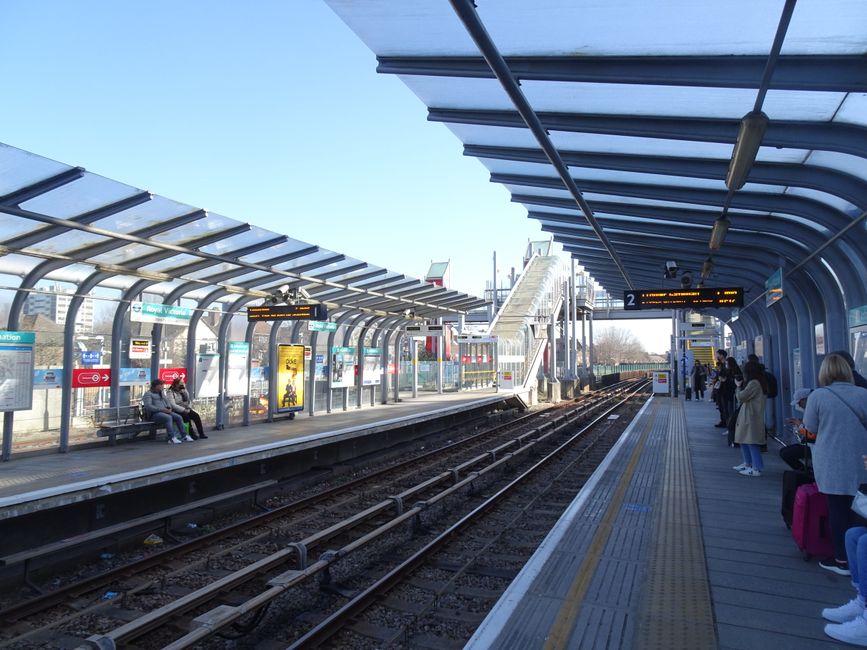
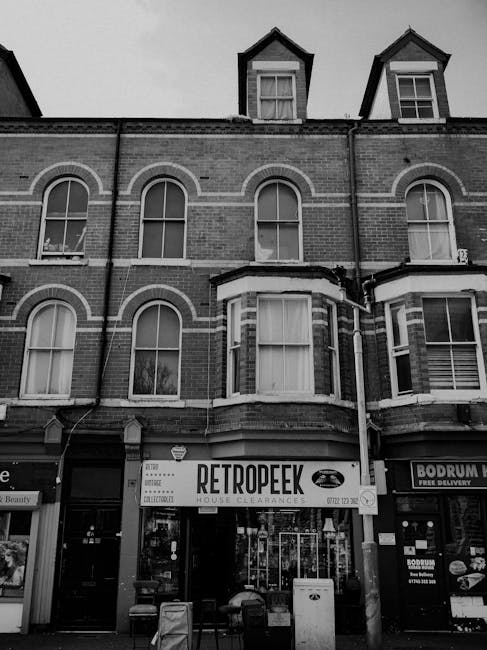
Leytonstone is a district in east London within the London Borough of Waltham Forest, positioned between Stratford and Wanstead and closely linked to the edge of Epping Forest. The area developed along the old Roman route of the Great Essex Road, later the A12, which long shaped movement through the district and helped form its line of shops, terraces and transport connections. Today it retains a layered street pattern, with busy high street stretches giving way to quieter residential roads and pockets of late-Victorian and early twentieth-century housing. The locality is also associated with Alfred Hitchcock, whose birthplace stood here, and that connection is reflected in several public references around the district. Leytonstone Underground station sits on the Central line, making the area well connected to central and eastern parts of the city, while nearby green spaces such as Hollow Ponds and the wider Epping Forest fringe provide a contrast to the urban streets. Historic buildings, local businesses and community venues give the district a varied character, and the architecture ranges from older terraced housing to later infill development. Like many parts of east London, Leytonstone combines a strong transport role with a residential identity, and its streets reflect repeated phases of growth rather than a single period of development. The result is an area that feels both ordinary and distinctive, with a mix of practical amenities, long-established routes and local landmarks that reward a closer look.
Office clearance for refurbishment, relocation and rationalisation
Businesses often need an office cleared because the space is changing shape. A relocation may require certain items to be moved out quickly, while a refurbishment can mean the whole interior has to be stripped back before contractors start. In other cases, a company may simply want to reduce clutter, remove unused equipment and make a room easier to manage. The clearance service can be adapted to those different aims without losing sight of the practical task: removing the right items in the right order.
It is also common for workplace contents to be spread across functions. A single office can contain reception furniture, storage, archived paperwork, equipment from a previous tenant and leftover items from a past fit-out. That is why the clearance is best approached by category rather than by assumption. If you need support with a broader property emptying task, house clearance is another relevant page for contents-led work, while office-specific jobs remain centred on commercial furniture, equipment and working areas.
To keep the quotation process efficient, it is useful to mention whether the job includes dismantling, access restrictions or items that are not to be touched. Those three points often explain most of the variation in time and effort. Once the scope is clear, the work can be planned around the contents rather than around vague estimates, which is usually better for both sides.
Getting a quotation for office clearance

When you want a quotation for office clearance in Leytonstone, a concise summary is usually enough to begin. Tell us what type of office or commercial space is involved, the main contents to be removed and whether the clearance is partial or complete. If there are multiple rooms, separate floors, storage areas or awkward access points, include those as well so the estimate reflects the real work required rather than a rough guess.
If the job includes furniture, equipment and general waste together, it helps to say so clearly. The same applies if some items are staying on site, some are being removed for reuse and some are to be taken away as waste. A short, ordered description is easier to assess than a long message full of repetition. Pricing and quotes may be useful if you want to understand how a quotation is formed before sending the job details.
For the final step, contact us with the location, the contents and the date you have in mind, then ask for a quotation. If you are comparing a few options, keep the same basic details in each enquiry so the figures are easier to compare. A clear request saves time, supports a more accurate response and helps turn the office clearance into a practical job rather than a disruption.