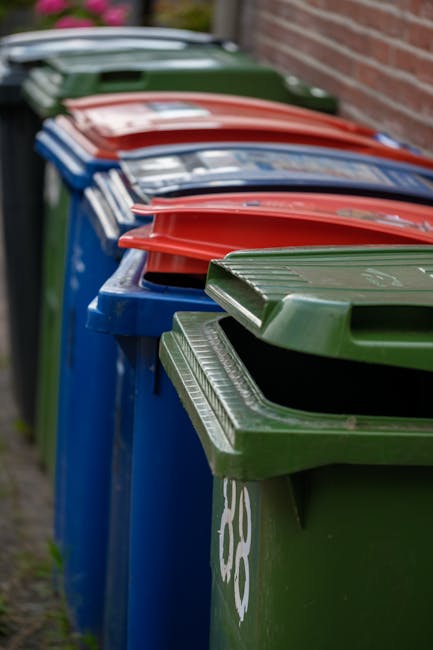
Wanstead Flats & Leytonstone Garden Waste Disposal Guide
If you live near Wanstead Flats or anywhere in Leytonstone, garden waste has a funny habit of building up faster than you expect. One weekend it is a few clipped branches and a bag of weeds; the next, you are staring at a damp pile of cuttings, old compost sacks, and a hedge trim that somehow looks bigger on the patio than it did in the border. This Wanstead Flats & Leytonstone garden waste disposal guide is here to make that mess simpler to handle, whether you are tidying a small front garden, clearing an overgrown rear plot, or dealing with a full seasonal cutback.
We will look at what counts as garden waste, the most practical ways to dispose of it locally, what to avoid, and how to choose the right route for your situation. You will also find useful comparisons, compliance pointers, a realistic example, and a checklist you can actually use. Nothing fluffy. Just clear, local, workable advice.
Quick practical note: if you are already dealing with mixed household clutter as well as garden waste, a broader waste removal service or even a combined home clearance can sometimes be more efficient than trying to split everything into separate trips. Not always, but often enough to be worth a look.
Table of Contents
- Why Wanstead Flats & Leytonstone garden waste disposal guide Matters
- How Wanstead Flats & Leytonstone garden waste disposal guide Works
- Key Benefits and Practical Advantages
- Who This Is For and When It Makes Sense
- Step-by-Step Guidance
- Expert Tips for Better Results
- Common Mistakes to Avoid
- Tools, Resources and Recommendations
- Law, Compliance, Standards, or Best Practice
- Options, Methods, or Comparison Table
- Case Study or Real-World Example
- Practical Checklist
- Conclusion
- Frequently Asked Questions
Why Wanstead Flats & Leytonstone Garden Waste Disposal Guide Matters
Garden waste disposal sounds straightforward until you actually start doing it. Grass cuttings go soggy quickly. Branches take up more space than you think. Soil is heavy. Ivy tangles into everything. And if you live in a busy part of East London, the timing can matter almost as much as the disposal method itself.
For homes near Wanstead Flats, the local environment encourages outdoor upkeep. People prune, replant, clear patios, and keep small gardens tidy because, truth be told, it makes a real difference to day-to-day life. But the waste still has to go somewhere. If it is left too long, it can attract pests, smell musty in wet weather, or simply get in the way. On a windy day, a loose bag of cuttings can become a nuisance before you have even had your second cup of tea.
This matters for another reason too: mixed waste is where many people get caught out. A pile that looks like harmless green waste may contain bits of treated wood, plastic edging, broken pots, old compost containers, or even soil contaminated with non-organic debris. That can change how it should be handled. A proper disposal plan helps you keep it simple, avoid unnecessary trips, and reduce the chance of disposal problems later.
It also supports local cleanliness and sustainability. Responsible disposal means more material can be reused, composted, or recycled where possible. If you care about keeping waste out of general landfill streams, a good sorting habit is a very decent place to start. For readers who like to understand the bigger picture, the site's recycling and sustainability approach is worth a look alongside the practical steps here.
Expert summary: garden waste disposal is easiest when you separate it early, keep it dry where possible, and match the removal method to the actual load rather than the load you hoped it would be. A small tidy-up and a full garden overhaul are not the same job.
How Wanstead Flats & Leytonstone Garden Waste Disposal Guide Works
The basic process is simple: identify the waste, separate what can be reused or composted, then choose a removal route that suits the type and volume of material. In practice, though, there are a few decisions that make a big difference.
1. Sort the waste first
Start by grouping the waste into broad categories. This makes collection, loading, and recycling far easier. The usual groups are:
- grass cuttings and leaves
- small branches and hedge trimmings
- larger woody waste
- soil, turf, and stones
- plant pots, ties, canes, and edging
- mixed garden junk such as broken furniture or general shed debris
That last category is the one people often underestimate. A few scattered items can turn a green waste pile into a mixed waste load. Once that happens, disposal options may change.
2. Check what can be composted or reused
Some garden waste can stay on site. Composting leaves, soft cuttings, and organic debris is often practical if you have the space. Small, untreated branches may be chipped or reused as mulch. Healthy, disease-free plant material is often the best candidate for re-use. Rotten, diseased, or invasive material is a different matter and should be handled with more care.
3. Choose the disposal method
Your main options are usually:
- bagging and waiting for local collection where available
- taking it to a suitable recycling or reuse point
- arranging a dedicated garden clearance
- booking a broader waste collection if the garden waste is mixed with other items
If the job has spilled into other parts of the property too, such as a cluttered garage or loft, it can make sense to combine services. A garage clearance or loft clearance may solve several problems in one visit, which is often easier than treating every pile as a separate mission.
4. Load safely and remove efficiently
Garden waste is rarely as light as it looks. Moist cuttings are slippery, soil is dense, and thorny clippings can scratch you up before you notice. A sensible loading order matters: heavier items first, lighter green waste on top, and sharp material wrapped or bundled where possible. It is not glamorous, but it works.
Key Benefits and Practical Advantages
A good disposal process does more than just make the garden look neat. The practical benefits are broader than that.
- Less clutter: A cleared garden feels larger and more usable straight away.
- Better safety: Fewer trip hazards, fewer hidden sharp edges, less chance of damp waste becoming slippery.
- Cleaner appearance: A tidy outside space changes the whole feel of a home, even if the garden is small.
- More efficient maintenance: Once waste is cleared, the next round of pruning or mowing is much easier.
- Improved recycling potential: Sorting properly increases the chance that suitable material can be composted or recycled.
- Reduced stress: There is something oddly calming about seeing the last bag leave. A small win, but a real one.
There is also a time-saving benefit that people underestimate. If you are trying to deal with multiple overgrown beds, a broken shed panel, and a few old garden chairs, the work can stretch over several weekends. A proper clearance route can compress that into a single day. For many households, that is the difference between a half-finished project and a garden you can actually enjoy.
And if the garden work is part of a bigger property refresh, you may want to combine it with house clearance or furniture disposal so the whole job gets done in one go.
Who This Is For and When It Makes Sense
This guide is useful for quite a few people, not just homeowners with a sprawling lawn and a van full of hedge trimmings. In fact, many of the people who need garden waste disposal most are the ones with smaller outdoor spaces and less storage.
Homeowners and landlords
If you have a front garden, a back patio, or a modest green space, regular maintenance generates more waste than you might expect. Landlords preparing a property between tenancies often need fast, tidy clearance. A neat exterior helps with first impressions, and that matters. A lot.
Busy families
Sometimes the garden gets tackled in short bursts: one hour after work, a bit more at the weekend, then suddenly there is a mountain of cuttings. If you do not have time to schedule several small disposal runs, a collection service can be much simpler.
People doing seasonal pruning
Spring and late summer tend to generate the heaviest waste. Hedges, shrubs, and perennials all produce different types of debris, and the volume can surprise even experienced gardeners. A good rule of thumb: if the pile looks manageable from the kitchen window but alarming once you step outside, you are probably dealing with more than a bin or two.
Tenants and flat residents
Flat living can make garden waste awkward, especially where access is shared or storage is limited. In those cases, a flat clearance or coordinated garden waste removal may be the most practical option.
Small businesses and shared properties
Some local businesses, managed buildings, and community spaces need regular outdoor tidy-ups. If you are looking after a forecourt, small landscaped area, or courtyard, garden waste may sit alongside other business rubbish. A linked business waste removal solution can be more efficient than ad hoc disposal.
Step-by-Step Guidance
Here is a practical way to handle garden waste without overcomplicating the job.
- Inspect the waste pile. Look for soil, rubble, plastic, treated wood, wire, or anything that is not purely garden material.
- Separate organic waste from mixed waste. Keep leaves, grass, branches, and plant matter apart from broken pots, fencing, and general junk.
- Bag or bundle the material. Use strong sacks for loose waste and tie branches into manageable bundles.
- Keep soil and heavy waste in smaller loads. Soil gets very heavy, very quickly. Smaller loads are safer and easier to move.
- Decide whether you need manual loading support. If the pile is bulky, thorny, or awkward, having help saves time and a few scratches.
- Pick the disposal route. Choose composting, collection, reuse, or a dedicated clearance service depending on the volume and waste type.
- Check access and parking. A van or collection crew needs space, especially on tighter residential streets.
- Finish with a final sweep. Bits of leaf, moss, and compost always seem to hide in corners. A final sweep is the bit everyone wants to skip, and it shows if you do.
If the job includes bulky outdoor items, you may also want to think beyond the garden. A half-decomposed shed door, rusty shelving, or old tools can easily turn the task into a broader garage clearance or even a home clearance situation.
Expert Tips for Better Results
A few small habits make garden waste disposal much easier, and they are the sort of things people only learn after doing the job the hard way once or twice.
Keep the waste dry where possible
Wet garden waste is heavier and harder to move. If rain is forecast, cover the pile with a tarp or collect it sooner rather than later. Moisture also makes bags more likely to split. A tiny nuisance until it is all over your shoes.
Use the right bags
Thin sacks are a false economy. Strong garden waste bags or heavy-duty sacks reduce tearing, especially for twigs and damp cuttings. For thorny material, double-bagging can be worth it.
Cut long branches down before loading
Long branches waste space. Shortening them first makes stacking simpler and can reduce the number of loads needed. If you are tackling dense shrub cuttings, try to keep similar material together.
Do not mix soil with everything else
Soil is one of the heaviest parts of any garden job. It also behaves differently from green waste during handling. Keeping it separate avoids overfilled bags and awkward lifting.
Think about the next stage of the garden
Sometimes the waste clearance is actually part of a bigger plan: new turf, raised beds, patio work, or a full redesign. If builders or landscapers are due in, you may need a more robust clearance approach first. That is where builders waste clearance can be relevant, especially when soil, timber offcuts, and rubble are all in the mix.
Choose the simplest route that still does the job properly
There is no prize for making it complicated. If you can compost the leaves, do it. If the pile is large and mixed, book removal. If a job is too big for a car boot and three trips to a facility, call it what it is: a collection job. Simple. Honest. Done.
Common Mistakes to Avoid
Most garden waste problems come from a handful of predictable mistakes. The good news is that they are easy to avoid once you know them.
- Assuming all green waste is the same. Grass, branches, roots, and soil are handled differently in practice.
- Overfilling bags. A full bag might look efficient, but if you cannot lift it safely, it is not efficient at all.
- Mixing garden waste with general rubbish. Plastic, metal, treated timber, and soil can complicate disposal.
- Ignoring access. A collection crew may need clear parking space, gate access, or a path that is not blocked by planters and wheelie bins.
- Leaving waste to rot for weeks. The smell gets worse, the pile settles into a soggy lump, and sorting later becomes less pleasant.
- Forgetting thorny or sharp material. Rose clippings, broken canes, and old wire can injure people during handling.
One more thing, and this catches people out more often than it should: if you are clearing a garden after a bigger property clean-up, double-check whether some of the material is actually from inside the property. Old rugs, broken cabinets, and spare furniture should not be bundled in with garden debris. They need a different route, such as furniture clearance or office clearance if the waste came from a work setting.
Tools, Resources and Recommendations
You do not need a massive toolkit to manage garden waste well, but a few basics help a lot.
Useful tools
- sturdy garden sacks or rubble sacks for heavy material
- gloves with a decent grip
- secateurs or loppers for reducing branch size
- a rake for leaves and loose cuttings
- a tarp for temporary containment
- a wheelbarrow or garden trolley for moving loads
- tie-wraps or twine for bundling branches
Practical resources
If you are comparing disposal choices, start by estimating how much waste you actually have and whether it is clean green waste or mixed waste. That one question changes the answer more than most people expect.
You can also use the site's pricing and quotes page to understand how collections are usually assessed before booking. For straightforward service questions, the contact page is the sensible next stop.
If you want reassurance about how a provider handles safety and property protection, it is worth reading the insurance and safety information as well as the health and safety policy. Small detail, yes, but the kind that matters when someone is moving bulky sacks through a narrow side return.
Law, Compliance, Standards, or Best Practice
Garden waste disposal in the UK is not usually complicated for ordinary household jobs, but it still needs to be handled responsibly. Best practice is to make sure waste goes to a legitimate disposal or recycling route and is not fly-tipped, burned carelessly, or mixed in a way that causes problems for the person taking it away.
For households, the main practical point is simple: keep your waste clean, separated where possible, and passed to a service or facility that is set up to deal with it. For businesses or landlords with ongoing waste, the expectations are more formal and the need for clear handling is higher. If garden maintenance forms part of a commercial property, the approach used for business waste removal is often more appropriate than treating the waste as a one-off domestic load.
If you are hiring a service, it is sensible to ask how waste is sorted, where it is taken, and whether recyclable material is separated. A trustworthy provider should be able to explain the process clearly. No drama, just clarity.
It is also worth checking service terms before booking. The site's terms and conditions and privacy policy are useful background reading if you want to understand how a provider operates, especially when arranging collections online.
Options, Methods, or Comparison Table
Different garden waste situations call for different methods. Here is a simple comparison to help you decide.
| Method | Best for | Pros | Watch out for |
|---|---|---|---|
| Home composting | Leaves, grass, soft cuttings | Low cost, eco-friendly, useful for future planting | Not ideal for diseased, invasive, or mixed waste |
| Bagging for local collection | Small regular clear-ups | Convenient, simple, good for tidy loads | Can be slow if the pile is large or bulky |
| Self-delivery to a facility | People with transport and time | Flexible, may suit separated loads | Heavy lifting, queueing, multiple trips |
| Dedicated garden clearance | Large, awkward, or mixed waste | Fast, efficient, less physical strain | Needs good access and clear scope |
| Combined property clearance | Garden plus indoor or garage items | Handles everything together, saves coordination | May cost more than a small single-purpose job |
In many real-life cases, the best choice is the one that saves the most time without creating more sorting work later. If the waste is clean and small, composting or bagging makes sense. If the pile is mixed, wet, thorny, or awkward, a direct collection is often the calmer option. And calmer is underrated.
Case Study or Real-World Example
Take a typical Leytonstone terraced home with a narrow rear garden. After a few weekends of pruning, weeding, and cutting back an overgrown hedge, the owner ends up with a mix of green bags, a few heavy soil sacks, some old canes, and one broken planter that has seen better days. At first glance, it looks manageable. In reality, it is a bit of a pain.
The simplest way to deal with it is to separate the material before loading. The green cuttings go in one set of bags. The soil is kept in smaller, stronger sacks. The old planter is pulled out so it does not contaminate the organic waste. The branches are cut down to shorter lengths so they stack neatly. That little bit of sorting saves time, reduces lifting strain, and keeps the disposal route straightforward.
Now imagine the same garden, but with an old garden bench, some rotting shed panels, and a few pieces of clutter from the hallway that got dragged outside "for now." That is no longer just a garden waste job. It is a broader clearance. In that scenario, a combined service may make more sense than trying to treat it as pure green waste. Quite often, the problem is not volume alone. It is mixture.
A small human detail from jobs like this: people often apologise for the mess before they even show you the garden. They really needn't. A garden mid-clearance always looks worse before it looks better. That is just how these things go.
Practical Checklist
Use this checklist before you arrange disposal or start loading.
- Separate green waste from general rubbish.
- Remove plastic, metal, glass, and treated timber.
- Keep soil, turf, and stones apart from light cuttings.
- Cut branches down to manageable sizes.
- Use strong bags or bundles.
- Check access for collection or loading.
- Protect paths and indoor flooring if waste must pass through the property.
- Confirm whether the waste is clean, mixed, or bulky.
- Decide whether composting, collection, or clearance is the best route.
- Have gloves, tarp, and tools ready before you begin.
- Book help early if the pile is larger than expected.
- Do a final sweep for loose leaves and thorny scraps.
If the job is bigger than you thought at the start, that is normal. Happens all the time. Better to stop, reassess, and choose the right route than force a tiny solution onto a bigger problem.
Conclusion
Garden waste disposal around Wanstead Flats and Leytonstone is easiest when you keep the process practical: sort early, separate mixed materials, protect yourself from heavy or sharp waste, and choose the disposal method that genuinely fits the job. Small green waste piles can often be composted or bagged. Bigger, wetter, heavier, or mixed clear-ups usually need a more direct approach.
The main thing is not to overcomplicate it. A tidy garden should make life feel lighter, not create another weekend of chores you did not ask for. If you plan the job properly, the whole thing becomes much more manageable, and the result lasts longer too.
For a service-focused next step, you can explore the site's garden clearance options or review the company's about us page to understand the people behind the work. If you prefer to ask a few questions first, that is fair enough - a quick conversation often saves a lot of guesswork.
Get a free quote today and see how much you can save.
And if all you needed was a clear plan for the weekend, hopefully you have that now. One less thing hanging over you.
Frequently Asked Questions
What counts as garden waste in Leytonstone?
Garden waste usually includes grass cuttings, leaves, hedge trimmings, small branches, weeds, plant matter, and similar organic debris. It does not normally include general household rubbish, treated timber, soil mixed with rubble, or old garden furniture. If the pile is a mix of materials, it may need a broader clearance approach.
Can I compost all garden waste at home?
No, not all of it. Soft green waste such as leaves and grass is usually suitable, but diseased plants, invasive weeds, woody branches, and contaminated material may not be appropriate for home composting. Composting works best when the waste is clean and well sorted.
Is it better to bag garden waste or leave it loose?
Bagging is usually better for transport and handling, especially on residential streets or when waste needs to be moved through narrow access points. Loose waste can be fine in a composting setup, but for removal it is usually neater and safer when contained.
What should I do with heavy soil or turf?
Keep soil and turf separate from lighter green waste. They are much heavier, so smaller sacks or containers are safer. If the amount is large, it may be better to arrange a collection rather than try to move it in several car loads.
Can a garden clearance include old chairs, planters, or sheds?
Yes, but those items are not standard green waste. They are usually treated as mixed waste or bulky items. Old chairs, planters, shed panels, and similar materials can often be removed alongside the garden waste, but they may need to be quoted separately or grouped into a wider clearance service.
How do I know whether I need a clearance service instead of a skip?
If the waste is bulky, mixed, awkward to carry, or located in a place with limited access, a clearance service can be simpler. If you have the space, time, and labour to fill a skip safely, that may suit you too. The best choice depends on how much sorting and lifting you want to do yourself.
What makes garden waste more expensive to remove?
Volume, weight, access, and waste type all matter. Wet waste is heavier. Mixed waste may need more sorting. Limited access can make loading slower. These factors generally affect price more than the garden itself.
Do I need to separate green waste from other rubbish?
Yes, ideally. Separation makes disposal cleaner, easier, and more likely to support recycling or composting. It also helps avoid complications if some items belong in a different waste stream. A little sorting upfront usually saves time later.
Is garden waste removal suitable for small flats with outdoor space?
Absolutely. Small courtyards, terraces, balconies with planting, and shared garden spaces can all generate waste. Flat residents often benefit from a more coordinated collection because storage and carrying space are limited. That is where a flat clearance style approach can sometimes help.
What should I look for in a responsible waste provider?
Look for clear pricing, sensible communication, proper handling of waste, and a willingness to explain where materials go. Safety and insurance information are also useful signals. A good provider should make the process feel straightforward, not mysterious.
Can garden waste be collected with household junk?
Yes, sometimes. If you have garden waste mixed with old furniture, indoor clutter, or garage items, a wider household clearance may be the simplest option. Mixed loads need to be assessed carefully, though, because different material types can affect how the waste is handled.
How soon should I arrange disposal after a garden cut-back?
As soon as practical. Fresh waste is easier to handle than soggy, compressed waste left sitting for days. If weather is wet or windy, it is even better to move it quickly. The pile always seems smaller on the day you make it than the day after, for some reason.