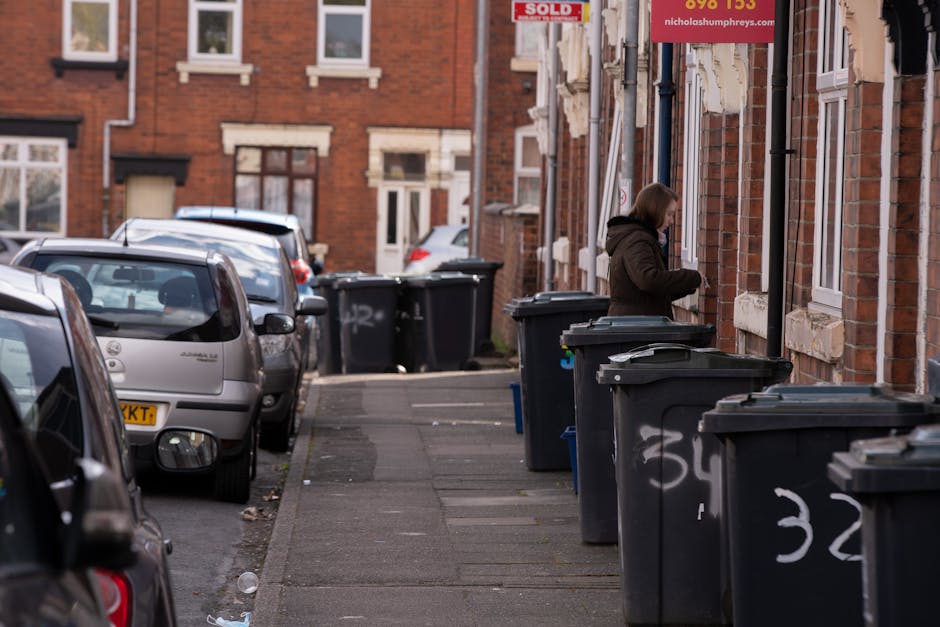
Leytonstone High Road rubbish pickup: local options
If you live, work, or manage a property near Leytonstone High Road, rubbish pickup can become a surprisingly pressing job. One overflowing bin bag, a broken wardrobe, or a stack of renovation debris is all it takes to turn a tidy space into a problem you want solved quickly. The good news is that Leytonstone High Road rubbish pickup: local options are broader than many people realise, ranging from council services and DIY disposal to same-day private clearance and specialist collections.
This guide explains how local rubbish pickup works, what your realistic choices are, and how to pick the option that suits your waste type, budget, and timetable. You will also find practical advice on compliance, safety, and getting the best value without overcomplicating the job. In short: less guesswork, fewer trips, and a cleaner result.
Practical summary: if your waste is small, sorted, and non-urgent, council or self-managed disposal may be enough. If you need speed, heavier lifting, or mixed waste removed from a flat, shop, office, or garden, a local clearance service is often the easier route.
Table of Contents
- Why Leytonstone High Road rubbish pickup: local options Matters
- How Leytonstone High Road rubbish pickup: local options Works
- Key Benefits and Practical Advantages
- Who This Is For and When It Makes Sense
- Step-by-Step Guidance
- Expert Tips for Better Results
- Common Mistakes to Avoid
- Tools, Resources and Recommendations
- Law, Compliance, Standards, or Best Practice
- Options, Methods, or Comparison Table
- Case Study or Real-World Example
- Practical Checklist
- Conclusion
- Frequently Asked Questions
Why Leytonstone High Road rubbish pickup: local options Matters
Leytonstone High Road sits in a busy part of east London where homes, flats, shops, cafes, and small businesses often generate waste at different speeds. That matters because rubbish is rarely just "rubbish". It may be a sofa blocking a hallway, builders' rubble outside a property, a stockroom clear-out, or old garden waste that cannot sit around until the next normal collection day.
Choosing the right pickup option is important for three practical reasons. First, it helps you avoid delays. Second, it reduces the risk of fines, fly-tipping issues, or blocked access. Third, it keeps neighbours, customers, and visitors from having to work around an eyesore.
There is also a time-and-energy angle. Anyone who has tried to move a heavy wardrobe down a narrow staircase or fit black bags into a car knows the problem is not just disposal, it is logistics. This is where local pickup services can be worth considering, especially for flats and mixed-use properties near a high street.
If you are looking beyond a one-off pickup, it may help to browse broader service pages such as waste removal solutions, home clearance support, or full house clearance options to see which service shape matches your situation.
How Leytonstone High Road rubbish pickup: local options Works
Most local rubbish pickup arrangements fall into one of four models. The right choice depends on what you are clearing, how quickly you need it gone, and how much lifting or sorting you want to do yourself.
1. Council-style collection or civic disposal routes
For certain household waste, the simplest option may be to use the local authority's collection or recycling routes. These are usually best for routine waste, smaller items, and material that has already been sorted correctly. The trade-off is that you may need to wait for a slot, follow specific rules, and transport items to a designated place or collection point.
2. Private rubbish pickup for faster removal
A private waste team can often collect from your doorstep, front garden, loading bay, or business premises and remove the waste in one visit. This is useful when you need speed or when the waste is awkward to move. A good provider will usually ask what you have, estimate the load, and explain how the collection will be carried out.
3. Specialist clearance for bulky or mixed items
If the job includes furniture, white goods, loft contents, garage clutter, or builder's waste, a specialist service is often the most practical. For example, if you are clearing a tenant's old belongings from a flat above a shop, a flat clearance service may be more suitable than a simple curbside pickup.
4. Self-managed disposal and reuse channels
For some people, a car boot run, donation, resale, or recycling centre drop-off is enough. This can work well for low volumes and good-condition items. It becomes less attractive when waste is mixed, heavy, dirty, or time-sensitive.
The key point is simple: rubbish pickup is not just about removing waste. It is about matching the collection method to the waste stream. That one decision often determines whether the process feels easy or surprisingly messy.
Key Benefits and Practical Advantages
Local pickup options near Leytonstone High Road offer more than convenience. When chosen well, they solve a bundle of everyday problems at once.
- Faster turnaround: useful when rubbish is blocking a room, shopfront, entrance, or walkway.
- Less physical strain: especially helpful for bulky items, heavy bags, and awkward staircases.
- Cleaner presentation: important for landlords, property managers, and businesses with customers coming and going.
- Better sorting support: a provider may separate reusable, recyclable, and non-recyclable material more efficiently than a rushed DIY job.
- More predictable planning: you can often book by time window rather than trying to fit disposal around your week.
- Reduced risk of mistakes: particularly valuable where there is a mix of general waste, electrical items, or construction debris.
There is also a hidden benefit: mental relief. A cluttered hallway or a growing pile of waste has a habit of sitting in the back of your mind until it is gone. Once it is cleared, the space usually feels bigger, calmer, and easier to use. That sounds simple, because it is.
Who This Is For and When It Makes Sense
This topic is relevant to a surprisingly wide group of people. If any of the examples below sound familiar, you are in the right place.
Homeowners and tenants
You may be replacing furniture, clearing the loft, or dealing with rubbish after decorating. Small loads can sometimes be handled through local facilities, but a pickup service becomes attractive when items are heavy or you need them removed the same day.
Landlords and letting agents
End-of-tenancy clearances often come with a mixture of bagged rubbish, furniture, and damaged items. A coordinated pickup is usually easier than asking different people to sort different parts of the job.
Shop owners and office managers
Shops and offices along or near the High Road may need regular business waste removal or a one-off office clearance after a refit or closure. For that kind of work, services like business waste removal and office clearance are often a better fit than general domestic options.
Builders and tradespeople
If your project has created plasterboard offcuts, broken tiles, timber, or mixed rubble, a builders waste clearance service can save several trips and help keep the site workable.
Garden owners and seasonal clear-outs
Leaves, hedge cuttings, soil, and broken pots can pile up quickly. A garden clearance option can be especially helpful after a big trim or pre-move tidy-up.
So when does it make sense to book help rather than handle it yourself? Usually when the waste is bulky, mixed, urgent, or difficult to carry safely. If any of those apply, outsourcing often pays for itself in time saved alone.
Step-by-Step Guidance
If you want a smooth rubbish pickup, a little preparation goes a long way. The process below works well for most local collections.
- Identify what needs removing. List the items, estimate the volume, and note anything unusual such as sharp edges, glass, paint tins, or electricals.
- Separate waste where practical. Keep recyclables, reusable items, and general waste apart. This can make pricing and handling more efficient.
- Measure access. Check stair width, doorway clearance, parking limitations, and whether there is a lift or loading area. Access can affect timing more than people expect.
- Decide urgency. Are you clearing before a tenancy handover, a delivery, or a renovation deadline? If timing matters, say so early.
- Request a clear quote. Ask what is included: loading, labour, disposal, VAT if applicable, and any extra charges for difficult access or special items.
- Confirm what will not be taken. Some items need special handling. Ask in advance rather than discovering it on the day.
- Prepare the pickup point. Make sure the area is accessible and that important items have been removed or labelled.
- Check the clearance after collection. A quick walk-through helps ensure nothing important has gone by mistake.
If the job involves furniture, it may be worth reviewing furniture clearance or furniture disposal rather than treating the items as generic rubbish. The right category can make the job simpler and more cost-effective.
Expert Tips for Better Results
Here are the kinds of small decisions that make a pickup feel organised instead of chaotic.
- Photograph the load before booking. A few pictures usually help a provider quote more accurately.
- Keep a single staging area. One tidy pile is easier than scattered bags in multiple rooms.
- Prioritise access first. On busy streets, the loading point matters almost as much as the waste itself.
- Remove valuables early. Documents, keys, small electronics, and sentimental items should be handled separately.
- Ask about recycling practices. A reputable operator should be able to explain how they approach reuse and recycling in broad terms.
- Choose the right service size. Overbooking a large vehicle for a tiny job can waste money, while underestimating the load usually causes stress and delays.
One small but useful tip: if your rubbish includes mixed household clutter, think in terms of "what is staying" rather than only "what is going". That mindset makes the pre-collection sort much quicker.
Common Mistakes to Avoid
Most pickup problems are avoidable. The same handful of mistakes show up again and again.
- Leaving everything to the last minute. Rush jobs tend to cost more in time, money, or both.
- Misclassifying waste. Builders' debris, electrical items, and general household rubbish are not always treated the same way.
- Ignoring access constraints. A van may not be able to stop right outside, especially on a busier stretch of road.
- Assuming every item can go in one load. Some materials need separation or specialist handling.
- Forgetting about paperwork for commercial waste. Businesses should be especially careful about records and duty of care.
- Using unverified collectors. If a collector cannot explain where the waste goes, that is a red flag.
Another common slip is failing to compare like with like. A cheap headline price may not include loading, waiting time, or difficult access. It is better to ask direct questions up front than to negotiate while a van is already outside.
Tools, Resources and Recommendations
You do not need specialist equipment to arrange rubbish pickup, but a few simple tools help the process run smoothly.
- Phone camera: to document the load before quoting and after clearance.
- Measuring tape: useful for checking doorways, stair turns, and furniture dimensions.
- Basic gloves and sturdy shoes: sensible if you are moving items yourself.
- Labels or marker pens: helpful when separating keep, donate, recycle, and remove piles.
- Simple inventory note: especially useful for flats, offices, or landlord clearances.
For more structured support, it can be helpful to compare related services. If your job includes a loft full of stored items, a loft clearance page may be more relevant than a general pickup. If it includes everything from furniture to bagged waste, a broader home clearance approach may be the better fit.
And if you want to understand the company side of things before booking, pages such as pricing and quotes, recycling and sustainability, insurance and safety, and about us are good places to check for reassurance and service clarity.
Law, Compliance, Standards, or Best Practice
Waste removal in the UK is not something to treat casually. Even for a one-off pickup, it is sensible to follow good practice and use a responsible collector. While the exact rules can vary depending on the waste type and who is handling it, a few principles are widely accepted.
First, duty of care matters. If you are a business, you should take reasonable steps to ensure your waste is transferred to a legitimate carrier and handled properly. Keep records where appropriate. If you are a homeowner, the same principle still applies in practical terms: do not hand waste to someone who cannot explain what happens next.
Second, certain materials need special handling. Electrical items, fridges, paint, plasterboard, batteries, and some construction waste can require specific treatment or may incur extra cost. The safest approach is to flag these items early.
Third, safety should be visible. A professional service should arrive prepared, use appropriate lifting methods, and work in a way that does not create unnecessary risk to people or property. If you want a sense of the standards behind that approach, review a provider's health and safety policy and their broader operational commitments.
Fourth, responsible disposal is part of the value. Good operators aim to maximise reuse and recycling where practical, not just fill a vehicle and leave. That is one reason clear documentation, transparent quoting, and sensible sorting all matter.
Best practice in one line: use a collector who is clear about access, item types, disposal method, and what is included in the price.
Options, Methods, or Comparison Table
If you are still deciding how to handle a pickup near Leytonstone High Road, this side-by-side comparison can help.
| Option | Best for | Strengths | Limitations |
|---|---|---|---|
| Council or civic disposal route | Routine household waste | Often low-cost, familiar, structured | May require waiting, sorting, or self-transport |
| Self-managed drop-off | Small, manageable loads | Flexible if you have time and transport | Heavy lifting, fuel, queues, and multiple trips |
| Private rubbish pickup | Urgent or bulky loads | Fast, convenient, door-to-door collection | Usually more expensive than doing it yourself |
| Specialist clearance service | Mixed waste, furniture, or site clearances | Handles awkward items and larger jobs well | Needs a good brief and accurate description of the load |
For many local households, the choice is not about which method is "best" in theory. It is about which one will actually get the job done without causing a second project in your week. That is where a service aligned with the right setting can help, whether that means garage clearance for accumulated clutter or builders waste clearance after renovation work.
Case Study or Real-World Example
Consider a common Leytonstone High Road scenario: a small flat above a commercial unit needs clearing before a new tenant moves in. The property contains a broken sofa, two bags of mixed rubbish, a coffee table, a wardrobe, and several old kitchen items. The hallway is narrow, parking is limited, and the move-out deadline is tight.
In a case like that, a self-managed disposal plan sounds simple until you start counting the steps: borrow a vehicle, find parking, lift heavy items safely, sort what can be recycled, and make several trips if the load does not fit. That is exactly when a clear, booked collection usually becomes the better option.
The practical approach would be to take a few photos, confirm access, and choose a service that can handle the furniture and general waste together. If the property also has storage space packed with boxes, a flat clearance or wider house clearance option may be the most efficient route. The result is not just removed waste, but a finished job that is easier to hand back, inspect, and move on from.
That is the real benefit of matching the pickup method to the property, not just to the pile.
Practical Checklist
Use this checklist before you book or carry out a pickup.
- Identify every item that needs removing.
- Separate reusable items from true waste.
- Check whether anything is heavy, sharp, liquid-filled, or electrical.
- Measure access routes, doorways, staircases, and parking space.
- Photograph the load from more than one angle.
- Ask what is included in the quote.
- Confirm whether labour, loading, and disposal are covered.
- Clarify whether special items need separate handling.
- Remove valuables and personal paperwork first.
- Make sure the collection area is ready and safe.
- Keep contact details handy for the day of pickup.
If your pickup is part of a larger property project, it can also help to check related service pages like garden clearance or office clearance so you are not forcing a one-size-fits-all solution onto a mixed job.
Conclusion
Leytonstone High Road rubbish pickup does not need to be complicated. The smartest approach is to match the waste, the access, and the deadline to the right local option. That might be a council route for smaller jobs, self-managed disposal for simple loads, or a private clearance team when speed, bulk, or convenience matters more.
The best results usually come from a bit of preparation: sort what you can, measure access, ask direct questions, and choose a provider that is transparent about pricing and disposal. Do that, and the process becomes much calmer than most people expect.
If you are comparing service levels, reviewing company information, or deciding between a domestic and commercial option, it is worth looking closely at the relevant service pages before you book. A little comparison now can save a lot of hassle later.
Get a free quote today and see how much you can save.
Frequently Asked Questions
What is the best rubbish pickup option near Leytonstone High Road?
The best option depends on the type and amount of waste. Small household waste may suit civic disposal routes, while bulky, urgent, or mixed loads are usually easier with a private pickup or clearance service.
Can a rubbish pickup service take furniture and general waste together?
Often, yes. Many services can handle mixed loads that include furniture, bagged rubbish, and household clutter. It helps to mention everything in advance so the collector can quote accurately.
How do I know if I need a clearance service rather than a simple pickup?
If the waste is bulky, heavy, awkward to carry, or spread across multiple rooms, a clearance service is usually more practical. That is especially true for lofts, flats, garages, and renovation waste.
Is it cheaper to take rubbish away myself?
Sometimes it is, especially for small loads and if you already have transport. But once you factor in fuel, time, lifting, and multiple trips, a paid pickup can be better value for larger or harder jobs.
What should I ask before booking a local rubbish collection?
Ask what is included in the price, whether loading is covered, how special items are handled, and whether there are extra charges for access, stairs, or bulky items.
Do businesses on or near Leytonstone High Road need different waste arrangements?
Usually yes. Business waste often needs more structured handling than household waste, and you may want a repeat service or an office-specific option rather than a one-off domestic collection.
What happens if my waste includes electrical items or a fridge?
Tell the provider before booking. Electrical items and appliances can require specific handling, and some items may not be accepted in a standard general waste load.
How can I prepare a flat for rubbish pickup?
Group items in one accessible area, clear walkways, remove valuables, and check whether the collector can reach the property easily. If needed, a dedicated flat clearance service can make the process much smoother.
What if I have builders' rubble or renovation waste?
Use a service that is set up for construction material. Builders' waste is often better handled separately from household rubbish because it may be heavier and require different sorting or disposal.
Are recycling and responsible disposal important when choosing a provider?
Yes. A good provider should be able to explain, at least in general terms, how they approach recycling, reuse, and responsible disposal. That is a strong sign of a well-run service.
How do I avoid hidden charges?
Be specific about the items, send photos if possible, and ask whether labour, loading, disposal, and difficult access are included. Clear details early usually mean fewer surprises later.
Can I book rubbish pickup for the same day?
Sometimes you can, depending on availability and the size of the job. Same-day bookings are more realistic for providers that already operate locally and can work around your access window.
Where can I find more help for a property clear-out?
Useful starting points include pages for home clearance, garage clearance, and loft clearance, depending on where the waste is coming from.
What should I do if I want to compare service quality before booking?
Check the provider's company information, pricing guidance, safety approach, and sustainability commitments. Pages like about us and recycling and sustainability are useful for that kind of comparison.