Waltham Forest Council Rules on Fly-Tipping in Leytonstone: What Residents and Businesses Need to Know
If you live, work, or manage property in Leytonstone, fly-tipping is one of those problems that can turn up fast and linger annoyingly. A sofa left by a bin store, rubble beside a wall, bags dumped in a side alley, a broken wardrobe outside a flat block... it only takes one careless drop-off to create a mess, a complaint, and in some cases a real enforcement headache. This guide explains Waltham Forest Council rules on fly-tipping in Leytonstone in plain English, so you can understand what counts as fly-tipping, what the council expects, how to report issues, and how to stay on the right side of the rules.
We will also cover practical ways to avoid problems when clearing waste from a home, garden, office, or building project. No drama. Just the useful stuff you actually need.
Why Waltham Forest Council rules on fly-tipping in Leytonstone Matters
Fly-tipping is not just an eyesore. In a busy area like Leytonstone, dumped waste can block pavements, attract pests, make estates look neglected, and create tension between neighbours. It also sends the wrong signal: one small pile often becomes two, then three. You know how it goes. People see waste left somewhere and assume it is fair game.
Waltham Forest Council has a clear interest in keeping streets, estates, and shared spaces clean and usable. If waste is left in the wrong place, the council may investigate who is responsible, clear it from public land, and take action where evidence allows. For residents and local businesses, the practical takeaway is simple: never assume that putting waste "near" a bin, beside a wall, or on private-looking land makes it acceptable.
The other reason this matters is reputational. If you run a business, manage a rental property, or oversee a building project, fly-tipping can damage trust quickly. A single bad clearance decision can lead to complaints, enforcement attention, or costly follow-up work. To be fair, most people do not set out to break rules. They just want waste gone. But the responsibility still lands on the person who arranged the disposal.
Key takeaway: in Leytonstone, the safest approach is always to treat waste as your responsibility until it has been handed to a properly authorised carrier or placed through a legitimate council-approved disposal route.
How Waltham Forest Council rules on fly-tipping in Leytonstone Works
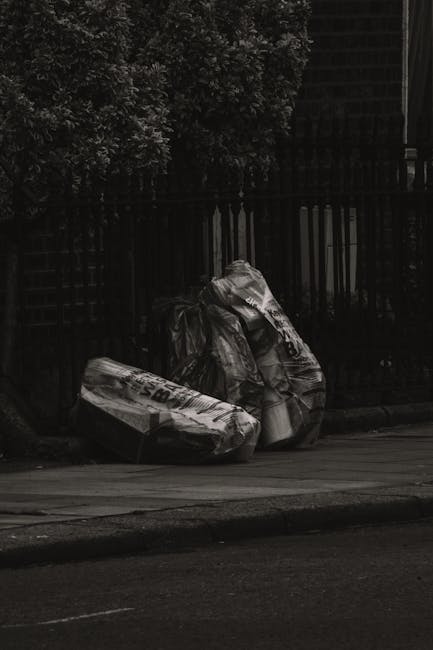
At a practical level, the rules revolve around where waste is left, who left it, and whether it was disposed of through a lawful route. Fly-tipping usually means dumping waste illegally on land that is not licensed or permitted for that purpose. That can include public pavements, alleyways, grass verges, shared entrances, car parks, private land, or beside household bins if it is not meant to be there.
There are a few common situations that catch people out:
- Leaving bulky items outside too early. If a sofa or mattress is placed out without proper arrangement, it may count as dumped waste rather than a scheduled collection.
- Handing waste to the wrong person. If someone offers a cheap clearance and then dumps the load elsewhere, the original waste holder can still face trouble if they failed to check properly.
- Putting commercial waste in household systems. Businesses need a proper waste arrangement; ordinary household disposal is not enough.
- Dumping builders' rubble or renovation waste. Bags of plasterboard, bricks, tiles, and timber are often abandoned after DIY jobs, and councils take a dim view of that.
If you need a lawful clearance route for bulky household waste, it may be more sensible to arrange a proper service such as home clearance or, for more specific items, furniture disposal. For renovation debris, a dedicated builders waste clearance option is usually a better fit than improvising.
When fly-tipping is reported, councils generally look for evidence. That can include item labels, addresses on packaging, CCTV, witness details, or signs linking the waste to a property or business. This is why it is wise to keep receipts, notes, and contractor details. Honestly, paperwork is boring right up until it saves you.
Key Benefits and Practical Advantages
Following the rules is not just about avoiding penalties. It also makes life easier in a very ordinary, practical way.
- Cleaner streets and communal areas. Less dumped waste means less mess, smell, and frustration for everyone.
- Lower risk of complaints. If you manage flats, offices, or rental property, clear disposal habits help prevent neighbour disputes and tenant issues.
- Fewer enforcement problems. Good records and legal disposal routes reduce the chance of being asked awkward questions later.
- Better property appearance. This matters more than people admit, especially around entrances, front gardens, and shared access routes.
- Safer clearances. Proper removal reduces trip hazards, pest attraction, and messy piling of waste in narrow spaces.
There is also a subtle benefit: when you use a lawful clearance process, you are not guessing. You know the waste has been taken away properly, and that peace of mind is worth a lot when you are already juggling repairs, moving, or refurbishing a place.
If the job is larger or mixed, a broader waste removal service may be more efficient than trying to split everything up by item type yourself. For business premises, business waste removal gives a more structured option than ad hoc dumping or overfilled bins.
Who This Is For and When It Makes Sense
This topic matters to more people than you might think. If you are in Leytonstone and you have waste to clear, you are probably in one of these groups:
- Homeowners clearing out a loft, garage, spare room, or garden
- Tenants moving out and dealing with accumulated furniture or broken items
- Landlords and letting agents managing end-of-tenancy clearances
- Business owners handling office waste, stock, packaging, or unwanted fixtures
- Builders and tradespeople dealing with rubble, timber, plaster, and renovation waste
- Managing agents and block managers dealing with fly-tipping in shared spaces
It also makes sense for anyone who has seen waste dumped near their property and is unsure what to do next. Maybe there is a mattress in the alley behind the house, or bags appear near the corner every few days. Maybe your builder has left a pile that is not moving. In those moments, understanding the council approach helps you act calmly and quickly.
If you are dealing with awkward household clutter, services like flat clearance, loft clearance, or garage clearance can be far less stressful than trying to move everything in stages. And sometimes, let's face it, you just want the room back.
Step-by-Step Guidance
Here is a sensible, low-risk way to handle waste in Leytonstone without creating fly-tipping problems.
- Identify what you are disposing of. Separate household items, garden waste, builder's waste, office materials, and anything hazardous or bulky. Different waste streams often need different handling.
- Check whether it can go through normal household collection. Small recyclable or bagged waste may be fine through routine collection, but bulky items and mixed waste usually need more care.
- Choose a lawful disposal route. Use council guidance, book a legitimate collection, or arrange an authorised clearance provider. Avoid "man with a van" deals that seem vague or rushed.
- Keep evidence. Save receipts, booking confirmations, messages, and the name of the carrier. This is useful if someone later questions where the waste went.
- Do not leave items on public land. Even if you plan to remove them later, leaving waste out can create problems fast.
- For ongoing waste, set a routine. Businesses and landlords benefit from predictable collections rather than emergency clear-outs.
- Recheck after the collection. A quick walk-through is worth it. Missed items often sit in corners and become the next complaint.
A practical example: if you are refurbishing a small shop or office and have old desks, packaging, and some light construction waste, a single mixed pile on the pavement is a bad idea. It looks messy, risks complaints, and may be treated as dumped waste. A planned collection, with the items sorted and ready, is much safer and usually smoother too.
Expert Tips for Better Results
Here are the details people often overlook, but they matter.
Tip 1: treat the waste transfer as part of the job, not an afterthought. Many clearance problems start because disposal was left until the last minute. The result? Piles of stuff in the wrong place and a rushed decision. A little planning goes a long way.
Tip 2: ask what will happen to the waste. A reputable provider should be able to explain the removal process in straightforward terms. You do not need a lecture, just clarity.
Tip 3: be cautious with mixed loads. Furniture, bagged rubbish, wood, and builder's waste all together can be harder to manage properly. If possible, separate what you can.
Tip 4: do not assume private land means no rules. Shared driveways, estate land, front setbacks, and rear access routes can still be treated seriously if waste is left there unlawfully.
Tip 5: protect yourself with basic record-keeping. Keep before-and-after photos, especially for landlord clearances or commercial jobs. It is a small habit, but it helps if something later goes missing or is disputed.
And yes, one more small tip: if something feels off about a deal, it probably is. That gut feeling is often doing useful work.
Common Mistakes to Avoid
Fly-tipping problems often come from a handful of repeat mistakes. The good news is that they are avoidable once you know what to watch for.
- Leaving waste beside overflowing bins. This can be treated as illegal dumping, not "temporary storage".
- Using an unverified collector. A low price is not a bargain if the waste is later dumped and traced back to you.
- Mixing trade waste with domestic waste. Businesses need proper arrangements. It is not optional.
- Assuming someone else will sort it out. Landlords, managers, and contractors can all end up responsible if they do not oversee disposal properly.
- Putting out items too early for collection. Early placement may invite scavenging, complaints, or allegations of dumping.
- Ignoring small piles. One bag of rubble or a single damaged chair can quickly become a bigger issue.
A common real-world scenario is a landlord leaving old furniture in a garden or front forecourt after a tenant move-out, planning to clear it "next week". Then rain comes, the items spread, neighbours complain, and the job becomes more visible than ever. Not ideal, obviously.
Tools, Resources and Recommendations
You do not need fancy equipment to stay compliant, but a few practical tools help a lot:
- Phone camera for before-and-after photos
- Simple inventory list for bulky or mixed clearances
- Messages or email records confirming collection arrangements
- Gloves and sturdy bags for safe handling of light waste
- Basic sorting boxes to separate reusable items from rubbish
If your waste includes reusable furniture, there may be a better outcome than disposal alone. Sometimes the most sensible route is to move usable items through furniture clearance or furniture disposal depending on condition. Broken, water-damaged, or non-reusable pieces, on the other hand, should be handled as waste, not left waiting in a stairwell.
For people who care about where waste ends up, the site's recycling and sustainability approach is also worth reviewing. It is always better when disposal is done with reuse and recycling in mind rather than simply shifting the problem elsewhere.
Law, Compliance, Standards, or Best Practice
Strictly speaking, fly-tipping sits within wider UK waste law and local enforcement practice. In everyday terms, the core principle is simple: waste should be transferred, stored, and disposed of properly, and the person arranging disposal should take reasonable care.
Best practice usually includes the following:
- Use authorised waste carriers and avoid informal dumping arrangements.
- Keep records of who collected what, when, and where it went.
- Do not obstruct public spaces with rubbish or bulky items.
- Separate hazardous or specialist waste from ordinary household rubbish.
- Make sure commercial premises have a proper waste strategy, not just occasional bin overflow.
For offices, this is especially important. Old monitors, chairs, files, packaging, and renovation waste should be dealt with through a controlled process, which is where office clearance can be more appropriate than relying on general bin capacity. For ongoing premises needs, good housekeeping and scheduled removal reduce risk and keep the workplace tidy.
There is also a safety angle. Waste stacked in entrances, corridors, or yards creates trip hazards and can make access difficult for residents, delivery drivers, and emergency services. That is not just a council issue; it is basic common sense.
Options, Methods, or Comparison Table
People in Leytonstone usually choose between a few disposal methods. The right one depends on the type of waste, how much there is, and how quickly it needs to go.
| Option | Best for | Strengths | Limitations |
|---|---|---|---|
| Normal household collection | Small, routine domestic waste | Simple and familiar | Not suitable for bulky or mixed items |
| Council route or local collection service | Standard items that meet the rules | Usually straightforward when booked correctly | May involve limits on item type or quantity |
| Specialist clearance service | Furniture, lofts, garages, offices, builders waste | Faster, more flexible, less manual effort | Needs a proper provider and clear instructions |
| DIY transport to a disposal site | People with access to a suitable vehicle and time | Full control over timing | Can be awkward, messy, and physically demanding |
For many people, a specialist service is the most practical balance. It reduces the chance of leaving waste in the wrong place, and it can be a lot less stressful than trying to do a big clear-out with a small car and three trips. That said, DIY disposal can work for lighter loads if you are organised and careful.
Case Study or Real-World Example
Here is a realistic Leytonstone scenario. A small landlord clears a flat after a long tenancy and finds a mix of a broken bed frame, a worn sofa, bags of clothing, kitchen packaging, and a few old office chairs left in the hallway. The temptation is to set a few things outside the building and sort it "later".
Instead, the landlord takes a better route. The items are checked, photographed, and grouped by type. Usable pieces are separated from rubbish. The rest is arranged for a proper clearance rather than left on the street. The hallway is cleared in one go, neighbours are not disturbed by piles appearing and disappearing over several days, and there is a clean record of what happened.
That may sound basic, but it is exactly the kind of routine that avoids fly-tipping issues. The big difference is control. When you know what is leaving, when it is leaving, and who is taking it, the whole thing becomes much easier.
For awkward property jobs, services like house clearance or garage clearance can help remove the clutter in one planned visit, rather than spreading the mess out over a week. And in a shared building, that makes a real difference.
Practical Checklist
Use this checklist before you move any waste in Leytonstone:
- Have I identified exactly what needs to go?
- Is any of it reusable, recyclable, or specialist waste?
- Have I chosen a legal route for removal?
- Do I have records, photos, or booking details?
- Am I keeping waste off pavements, alleys, and shared land?
- Have I warned tenants, staff, or contractors if access will be affected?
- Will the clearance be done in one planned visit rather than in stages?
- Have I checked the area afterwards for leftover items?
Extra sanity check: if your plan depends on "leaving it there for a bit", it is probably not a great plan.
Conclusion
Waltham Forest Council rules on fly-tipping in Leytonstone are really about simple discipline: dispose of waste properly, keep clear records, and never assume that dumping items out of sight makes the problem disappear. Whether you are clearing a flat, managing a business, dealing with builders' waste, or just trying to finally empty the loft, a little planning prevents a lot of mess.
The most practical approach is usually the calm one. Sort the waste, choose the right route, keep evidence, and use a clearance method that fits the job rather than forcing everything into one improvised solution. That way you protect yourself, respect your neighbours, and keep Leytonstone looking like a place people are proud to live in.
If you are comparing disposal options and want a cleaner, more reliable route for your waste, explore the services that fit your situation, review the support information, and make the next step a straightforward one. Small decisions here really do save time later.
Get a free quote today and see how much you can save.
Frequently Asked Questions
What counts as fly-tipping in Leytonstone?
Fly-tipping usually means leaving waste in a place where it is not authorised to be dumped, such as pavements, alleys, verges, communal entrances, or private land without permission. It can include household rubbish, furniture, builder's waste, and other unwanted items.
Can I leave bulky waste outside my home if I plan to remove it later?
Usually no, not if it is on public land or in a place where it could be treated as dumped waste. If bulky items need to go, they should be placed through a proper collection or clearance arrangement.
Who is responsible if a contractor dumps my waste illegally?
Responsibility can be complicated, but the person who arranged the disposal may still need to show they took reasonable care. That is why it is important to check who you hired and to keep records of the collection.
Do businesses in Leytonstone need a different approach to waste?
Yes. Business waste should be handled through a proper commercial arrangement. Using household disposal methods for trade waste is usually not appropriate and can create compliance issues.
What should I do if I see fly-tipped waste near my property?
Take a photo if it is safe to do so, note the location, and report it through the proper local route. If the waste is on your own land, do not simply move it into a public area. That would only shift the problem.
Is a cheap van collection always risky?
Not always, but a very cheap or vague offer can be risky if the collector cannot explain where the waste will go or how the disposal is handled. A proper provider should be transparent and professional.
Can furniture be cleared without causing fly-tipping problems?
Yes, absolutely. The key is to use a proper clearance route and avoid leaving items in hallways, on pavements, or beside bins. For larger jobs, furniture-specific clearance can help keep things tidy and lawful.
What is the safest way to clear builder's waste?
Keep rubble, timber, plasterboard, and mixed renovation waste together only if the collection route is suitable. A structured builders waste clearance is usually safer than leaving bags outside and hoping they disappear.
How do I reduce the chance of being blamed for dumped waste?
Use a legitimate carrier, keep written proof, take before-and-after photos, and never hand waste to someone who cannot explain their process. A few careful steps can make a big difference if questions come up later.
Does fly-tipping apply to garden waste too?
Yes. Garden waste dumped in the wrong place can still count as fly-tipping. Branches, soil, turf, and bags of cuttings should be managed properly, especially if there is a lot of it.
What should landlords do after an end-of-tenancy clear-out?
Check the property thoroughly, separate items, document what is being removed, and arrange lawful disposal rather than leaving items outside. A tidy, recorded clearance is far less likely to create disputes.
When is it worth using a full waste removal service?
It makes sense when the load is mixed, bulky, time-sensitive, or awkward to transport. It is also a good choice when you want the waste handled properly without turning the day into a marathon of lifting, loading, and second-guessing.
If you are dealing with a cluttered room, an office reset, or a stubborn pile that has been sitting too long, the calmest solution is usually the best one. Clear it properly, and you can get on with your day.