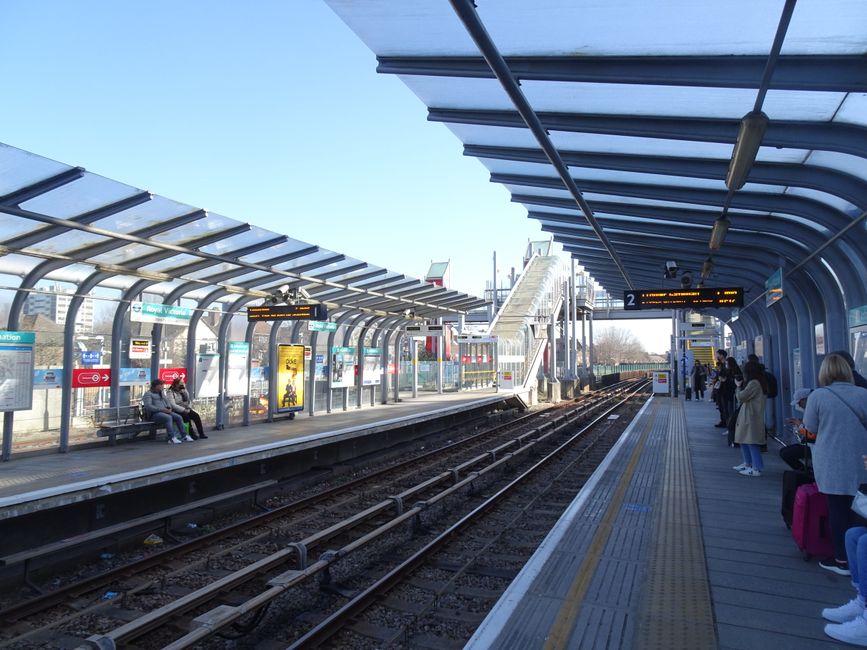
Leytonstone Station area same day rubbish removal routes
If you are trying to clear rubbish quickly near Leytonstone Station, timing matters as much as the load itself. Leytonstone Station area same day rubbish removal routes are all about getting waste picked up fast, moving it through narrow local streets without delay, and keeping the whole process simple on the day you need it. Whether it is a flat clearance, a pile of builder's waste, or a last-minute bulky item that has become a nuisance, the right route and arrival plan can save you hours. Truth be told, in an area with busy roads, tight access, and no patience for repeated trips, the difference between a smooth collection and a frustrating one can be surprisingly small.
This guide breaks down how same-day clearance works around the station, why local routing matters, what to expect on the day, and how to avoid the little mistakes that cause delays. You will also find a checklist, a comparison table, compliance notes, and a practical example so you can judge whether same-day removal is the right fit for your job.
Table of Contents
- Why Leytonstone Station area same day rubbish removal routes Matter
- How Leytonstone Station area same day rubbish removal routes Works
- Key Benefits and Practical Advantages
- Who This Is For and When It Makes Sense
- Step-by-Step Guidance
- Expert Tips for Better Results
- Common Mistakes to Avoid
- Tools, Resources and Recommendations
- Law, Compliance, Standards, or Best Practice
- Options, Methods, or Comparison Table
- Case Study or Real-World Example
- Practical Checklist
- Conclusion
- Frequently Asked Questions
Why Leytonstone Station area same day rubbish removal routes Matter
Near a station, rubbish removal is not just about lifting bags and boxes into a truck. It is also about moving efficiently through an area that can change character minute by minute. Morning commuter traffic, school runs, delivery vans, and parking restrictions all affect how quickly a collection team can reach a property and how long they can stay in place once they arrive. In practice, a collection that would be simple on a quiet street can become fiddly beside the station or on the roads feeding into it.
Same-day service matters because waste has a way of becoming urgent at the worst possible time. A landlord may need a flat cleared before a new tenancy starts. A shop might have packaging, broken fixtures, or back-room clutter blocking access. A homeowner could be preparing for decorators, a move, or a family visit. And sometimes the waste itself becomes a safety issue: trip hazards in a hallway, a blocked front path, or builders' waste that needs to go before work can continue. Nobody wants to spend an entire afternoon staring at a pile of junk and waiting for tomorrow.
Local route planning is the quiet hero here. A crew that knows the Leytonstone Station area can make better decisions about access, loading points, and where to park without causing unnecessary disruption. That is especially helpful for mixed streets where residential blocks, small businesses, and through-traffic all meet. You can feel the difference when a job has been planned properly: less standing around, fewer back-and-forth calls, and a collection that simply gets on with itself.
Practical takeaway: around Leytonstone Station, the fastest rubbish removal is usually not the one with the biggest vehicle or the flashiest promise. It is the one that is routed sensibly, prepped properly, and matched to your actual access conditions.
How Leytonstone Station area same day rubbish removal routes Works
Same-day rubbish removal usually starts with a quick assessment. You describe what needs clearing, roughly how much there is, and where the waste is located. If the company understands the Leytonstone Station area well, they will also ask about access: is it a top-floor flat, a basement, a shared driveway, a narrow road, or a property with no easy parking nearby? Those details help determine the best route, the right vehicle size, and how many people should attend.
From there, the job is typically grouped into a route that makes sense for the day. For example, a crew may combine nearby clearances so they can finish one collection and move to the next without crossing the whole district repeatedly. That routing logic matters more than people often realise. It affects arrival time, fuel use, labour efficiency, and whether your waste can be collected within the same day or slips into the next slot. A well-run local route is like a tidy kitchen drawer: not glamorous, but it saves everyone a headache.
On arrival, the team should confirm the load, check for any items requiring special handling, and load waste in a way that keeps the property safe and clean. In a station area, speed is important, but so is care. You do not want items dragged through hallways if they can be lifted properly, or heavy furniture scraped down stairs because nobody asked the right questions in advance.
Same-day routing also depends on how much waste is involved. A few bulky items might fit into a light run, while a more substantial clearance may need more time or a second trip. This is where honest communication matters. If you describe the waste accurately at the start, you are much more likely to get a realistic arrival window and a smooth removal on the day.
Key Benefits and Practical Advantages
The main benefit is obvious: speed. But there is more to it than that. Local same-day routes near Leytonstone Station can reduce disruption, lower the chances of missed access windows, and help you get a space back in use sooner. If you are clearing a flat, business unit, or household after a last-minute change of plan, that speed can be genuinely valuable.
There is also a practical money-saving angle, though it is not always discussed clearly. When a team can plan a sensible route, they spend less time sitting in traffic or shuffling between awkward addresses. That can make the service more efficient overall. It does not mean every job is cheap, of course. Waste type, volume, labour, and access still drive cost. But efficient routing often makes the whole process more workable, especially for local same-day collections.
Another benefit is reduced stress. That sounds soft, but it is real. If you have builders waiting, a landlord inspection tomorrow, or relatives arriving and the front room currently resembles a small depot, you do not want uncertainty. You want a clear plan, a rough arrival window, and a team that knows what it is doing. Simple as that.
Useful advantages at a glance:
- Fast clearance when time is tight
- Better use of local access routes and parking opportunities
- Less disruption to neighbours and pedestrians
- Cleaner handover for tenants, trades, or family members
- Reduced risk of waste lingering on the pavement or inside the property
- More predictable results when the waste description is accurate
Who This Is For and When It Makes Sense
Not every clearance needs a same-day response. If the rubbish is non-urgent and the access is straightforward, a scheduled pickup may be perfectly fine. But same-day rubbish removal routes around Leytonstone Station make a lot of sense for people with urgent or time-sensitive situations.
This service is often the best fit for:
- Homeowners who need bulky waste removed before renovation work, a viewing, or a move
- Landlords and letting agents dealing with abandoned items, end-of-tenancy leftovers, or quick turnaround voids
- Local businesses clearing packaging, fixtures, or storage clutter after a delivery or refit
- Tradespeople who need builders' waste gone so the next stage of work can start
- Families who are clearing a loft, garage, or spare room before visitors arrive
- Residents in flats with limited storage, awkward stair access, or shared entrances
It also makes sense when the waste is starting to create a practical problem. A hallway blocked by old furniture. Cardboard taking over a shop back room. A garden pile that has grown after a few weekends of "I'll deal with that later." We have all been there, to be fair. And later often arrives with a bang.
If your waste is mixed, bulky, or awkward to carry, same-day routing can still work well provided the details are clear. The more precise you are about access and volume, the better the plan.
Step-by-Step Guidance
If you want the smoothest possible collection, a little preparation goes a long way. Here is a simple process that usually works well around the Leytonstone Station area.
- List the items clearly. Note furniture, bags, cardboard, broken appliances, garden waste, and any builder's debris separately if you can. This helps the crew estimate time and vehicle space.
- Check access. Think about stairs, narrow corridors, parking restrictions, and whether waste has to be carried through shared spaces. One awkward stairwell can change the whole job.
- Take a few photos. A couple of clear images often tell the story better than a long message. Front-on shots help, but include the access route if it is tight.
- Confirm timing expectations. Same-day does not always mean instant. Around a busy station area, arrival windows may shift due to traffic or earlier jobs running long.
- Separate anything hazardous or restricted. Paint, chemicals, gas canisters, asbestos, or electrical items may need special handling. Do not leave this to guesswork.
- Clear a loading path. Move small items out of the way if possible so the crew can work quickly and safely once they arrive.
- Be available for a quick call. A missed gate code or a locked communal entrance can add needless delay. A few minutes on the phone can save half an hour of faff.
- Review what is actually being removed. Before loading starts, check that the items match what you expected. It is easier to correct things early than after the vehicle is half-full.
A good same-day service feels almost calm once the process is set up. The job is usually less about brute force and more about organisation. That is the bit people underestimate.
Expert Tips for Better Results
After enough local clearances, a few patterns become obvious. Small details make a big difference, especially near a station where timing and access are not always generous.
1. Be exact about access, not just waste type. Many people describe the rubbish well but forget to mention the awkward stairwell or restricted parking. Then the vehicle arrives, and the plan needs adjusting on the spot. That is fixable, but it slows everything down.
2. Group items before the crew arrives. If it is safe to do so, put similar items together. Furniture in one corner, bagged waste in another, cardboard flat-packed and tied if possible. It sounds basic because it is basic, and basic helps.
3. Keep an eye on mixed loads. A load with furniture, scrap, and general rubbish may be straightforward, but special items change the picture. If you have electrical items or heavy awkward materials, mention them early.
4. Use same-day service for momentum. If you are already decluttering, do not stop at one room unless you need to. Often people realise there is a garage shelf, then a loft corner, then the old sofa. There is a little rhythm to it once it starts.
5. Ask about sorting and recycling practices. Responsible removal matters. Even when a job is urgent, it should still be handled with an eye on reuse, recycling, and proper disposal where possible. That is just good practice.
6. Plan around the street, not only the building. In the Leytonstone Station area, traffic flow can affect arrival more than people expect. Midday can be calmer than the school-run or commuter rush. Early evening? Sometimes fine, sometimes a headache. You know how London is.
Small aside, but worth saying: if a provider promises to be "any minute now" and then vanishes into the traffic void, that is not a route plan. That is a hope.
Common Mistakes to Avoid
Most clearance problems are preventable. They usually come down to unclear information, unrealistic timing, or forgetting about access.
- Underestimating the volume. A single sofa is not the same as a sofa, mattress, two cabinets, and six bags of mixed waste. If you are unsure, overestimate a little and explain why.
- Forgetting parking restrictions. If the vehicle cannot stop nearby, the job takes longer. Mention bays, permits, loading zones, or no-stopping areas early.
- Mixing restricted items in without warning. Special waste needs special handling. Do not hide it in a general pile and hope for the best.
- Waiting until the last possible hour. Same-day works best when there is some room in the day. If you call at peak times, availability can tighten quickly.
- Not checking stair or lift access. Flats are often straightforward until a lift is out of service or a shared corridor is blocked by a neighbour's bike collection. Happens more often than you would think.
- Assuming all services work the same way. Some teams are set up for bulky waste only, while others are better at mixed clearances, furniture removal, or full property clearance. Matching the service to the job matters.
The simple fix is better preparation. Not glamorous, but effective.
Tools, Resources and Recommendations
You do not need a complicated toolkit to prepare for rubbish removal. A few practical items and habits are enough.
- Phone camera: useful for sending clear pictures of the waste and access points
- Measuring tape: handy if you are not sure whether larger furniture will fit through a doorway or stair turn
- Labels or tape: helpful for marking items you definitely want removed versus items you want to keep
- Gloves and sturdy shoes: sensible for sorting waste safely before collection
- Basic bags or boxes: good for gathering loose contents together if the area is messy
For related reading on the website, it can be useful to look at broader clearance and removal pages depending on your job type. For example, if you are clearing a property rather than just a few items, house clearance and home clearance explain fuller clean-out options. If the job is more commercial, office clearance and business waste removal are the better fit.
For mixed or awkward loads, you may also find waste removal, furniture disposal, and furniture clearance useful depending on what is being taken away. The right page tends to mirror the real job, which is exactly what you want.
Law, Compliance, Standards, or Best Practice
Waste removal in the UK should always be handled responsibly. You do not need to become a waste law expert to book a collection, but it helps to understand a few basics. The most important point is that waste should be removed, transported, and disposed of by people who handle it properly. If you are dealing with a clearance yourself, you should also be careful not to leave rubbish on the street or pass it to someone who is not clearly acting in a legitimate capacity.
For households and businesses, the main practical concerns are duty of care, safe handling, and correct disposal. If you generate waste, you still have a responsibility to make sure it is managed properly. For businesses, that matters even more because records, storage, and separation of waste types can become relevant. It is not glamorous admin, but it protects you later if anything is queried.
Best practice also means handling items with safety in mind. Broken glass, sharp timber, heavy furniture, and electrical goods should not be treated casually. If a provider has a clear health and safety policy, insurance awareness, and a sensible loading process, that is a good sign. You can check related trust pages such as health and safety policy and insurance and safety if you want to understand how the business approaches risk.
Environmental handling matters too. Responsible services aim to sort reusable items, recycle where possible, and avoid landfill where a better option exists. If sustainability is important to you, recycling and sustainability is worth a look. And if you are comparing quotes, pricing and quotes can help set expectations before you commit.
There is also a simple human standard here: be honest about what needs removing. It saves time, keeps costs fair, and reduces the chances of a collection running sideways. That is good for everyone.
Options, Methods, or Comparison Table
If you need rubbish removed near Leytonstone Station, you will usually be choosing between a few broad approaches. The best one depends on urgency, volume, and access.
| Option | Best for | Typical strengths | Possible drawbacks |
|---|---|---|---|
| Same-day rubbish removal | Urgent clearances, last-minute changes, blocked spaces | Fast response, less waiting, good for time-sensitive jobs | Availability can depend on route planning and access |
| Scheduled collection | Non-urgent waste and planned clear-outs | More flexible planning, often easier to coordinate | Not suitable when the waste must go today |
| Full property clearance | Homes, flats, or offices with larger volumes | Comprehensive, useful for major declutters | May take more time than a simple same-day pickup |
| Furniture-only removal | Single bulky items or a few large pieces | Efficient for sofas, wardrobes, beds, and similar items | Not ideal if the load is mixed waste |
| Builder's waste collection | Renovation debris, refurb work, light construction leftovers | Good for trades and home improvements | May need clearer descriptions if materials are mixed |
For local context, related articles such as same-day vs scheduled rubbish removal in Leytonstone and bulky waste near Leytonstone Tube quick removal routes can help you compare timing and route logic in more detail. If your issue is a specific street or access challenge, tight-access clearance tricks for local flats may also give you practical ideas.
Case Study or Real-World Example
Here is a realistic example. A second-floor flat near Leytonstone Station needs cleared before a tenancy handover. The tenant has already moved out, but several bulky items remain: an old bed frame, a small wardrobe, broken shelves, two bags of mixed household rubbish, and packaging from a recent repair. The front entrance is shared, parking is limited, and the stairwell is narrow enough that one bulky item has to be turned carefully at the landing.
The simplest approach is not necessarily the fanciest. The resident sends a few photos, notes the floor level, mentions the tight stairwell, and explains that the collection needs to happen the same day because the cleaner is arriving later that afternoon. The team plans the route around nearby jobs, arrives within the agreed window, and completes the removal in one visit. The key was not luck. It was accurate information, local routing, and a realistic understanding of access.
That kind of job usually feels better from both sides. The resident is relieved because the space is clear. The crew can work efficiently because they were prepared for the stairwell and parking. No one enjoys carrying a wardrobe down a narrow staircase twice because the first plan was vague. It is a small thing, but it matters.
If the same property had included paint tins, chemicals, or unknown sharp waste, the process would have needed a more careful discussion. That is why good same-day providers ask questions before the van is on your street, not after.
Practical Checklist
Use this checklist before booking Leytonstone Station area same day rubbish removal routes. It keeps the job moving and reduces the chance of delays.
- List all items to be removed
- Estimate volume as honestly as you can
- Take clear photos of the waste
- Note any stairs, lifts, gates, or tight corridors
- Check whether parking is limited or restricted
- Separate anything hazardous or unusual
- Tell the provider if the job is urgent and why
- Make sure the path to the waste is clear
- Keep your phone close for arrival updates
- Confirm what will and will not be taken
- Ask about recycling and responsible disposal
- Keep valuables and items to retain away from the clearance area
If you can tick most of those off, you are in a strong position. The rest is usually about arrival timing and straightforward loading. Not always perfect, but pretty manageable.
Conclusion
Leytonstone Station area same day rubbish removal routes are at their best when speed and planning work together. The local roads, access points, and traffic patterns around the station make route efficiency more than a convenience. It can be the difference between a job that happens today and one that turns into a lingering problem. If you are clearing a home, flat, office, or trade site, the smartest move is to describe the waste clearly, mention access early, and choose a service that understands the area.
The real value here is not just getting rubbish out of sight. It is getting your space back, without unnecessary drama. And honestly, once the clutter is gone and the room feels lighter, you will wonder why you put it off so long.
Get a free quote today and see how much you can save.
Frequently Asked Questions
How fast can same-day rubbish removal near Leytonstone Station usually happen?
It depends on the time of day, current route schedule, and how clear your access details are. If you book early and provide photos, same-day collection is usually easier to arrange.
What should I tell the removal team before they arrive?
Tell them what items need removing, how much there is, whether there are stairs or lifts, and if parking is restricted. The more practical detail you give, the smoother the collection tends to be.
Can bulky furniture be taken the same day?
Yes, bulky items are often a common part of same-day removals. Sofas, beds, wardrobes, and chairs are typically fine if access is manageable and the items are described accurately.
Is same-day rubbish removal more expensive than booking in advance?
It can be, because the service needs to respond quickly and fit the job into an existing route. That said, the final price depends on volume, labour, and access, not urgency alone.
What if my flat has very tight stairs?
Say so upfront. Tight stairs, awkward turns, and shared entrances can all affect timing. A provider that knows local access challenges will plan around that rather than guessing on the day.
Do I need to sort the waste before collection?
Not always, but sorting similar items together can help. If you can separate furniture, bags, cardboard, and anything unusual, it usually makes loading quicker.
Can you remove office or business waste near the station on the same day?
Often yes, especially for urgent clear-outs, packaging, or lightweight business rubbish. If the load is larger or more mixed, a clear description is especially helpful.
What types of items need extra care or special handling?
Items such as chemicals, paint, gas canisters, some electricals, and anything sharp or contaminated may need extra attention. If you are unsure, mention them before booking rather than leaving them in a general pile.
How do I know a clearance service is being responsible?
Look for clear explanations of waste handling, health and safety, insurance awareness, and recycling practices. A trustworthy service should be open about how it works and what it can take.
What if I only have one or two items to remove?
That can still make sense, especially if the items are large, heavy, or awkward. A single sofa or mattress can be more of a problem than a few small bags, so it is worth enquiring.
Should I choose same-day or scheduled rubbish removal?
If the waste is urgent, blocking space, or causing a delay in another job, same-day is usually the better option. If you have time and want more flexibility, a scheduled collection may be perfectly adequate.
Can rubbish be removed if I am not at the property?
Sometimes yes, if access arrangements are clear and the provider has the right instructions. However, many jobs run more smoothly when someone is available to confirm what is being taken and answer last-minute questions.
For more context on the local service range, you may also want to review about us and contact us if you are ready to talk through a specific clearance. And if your situation is more about a particular type of waste, the relevant service page is usually the best starting point.